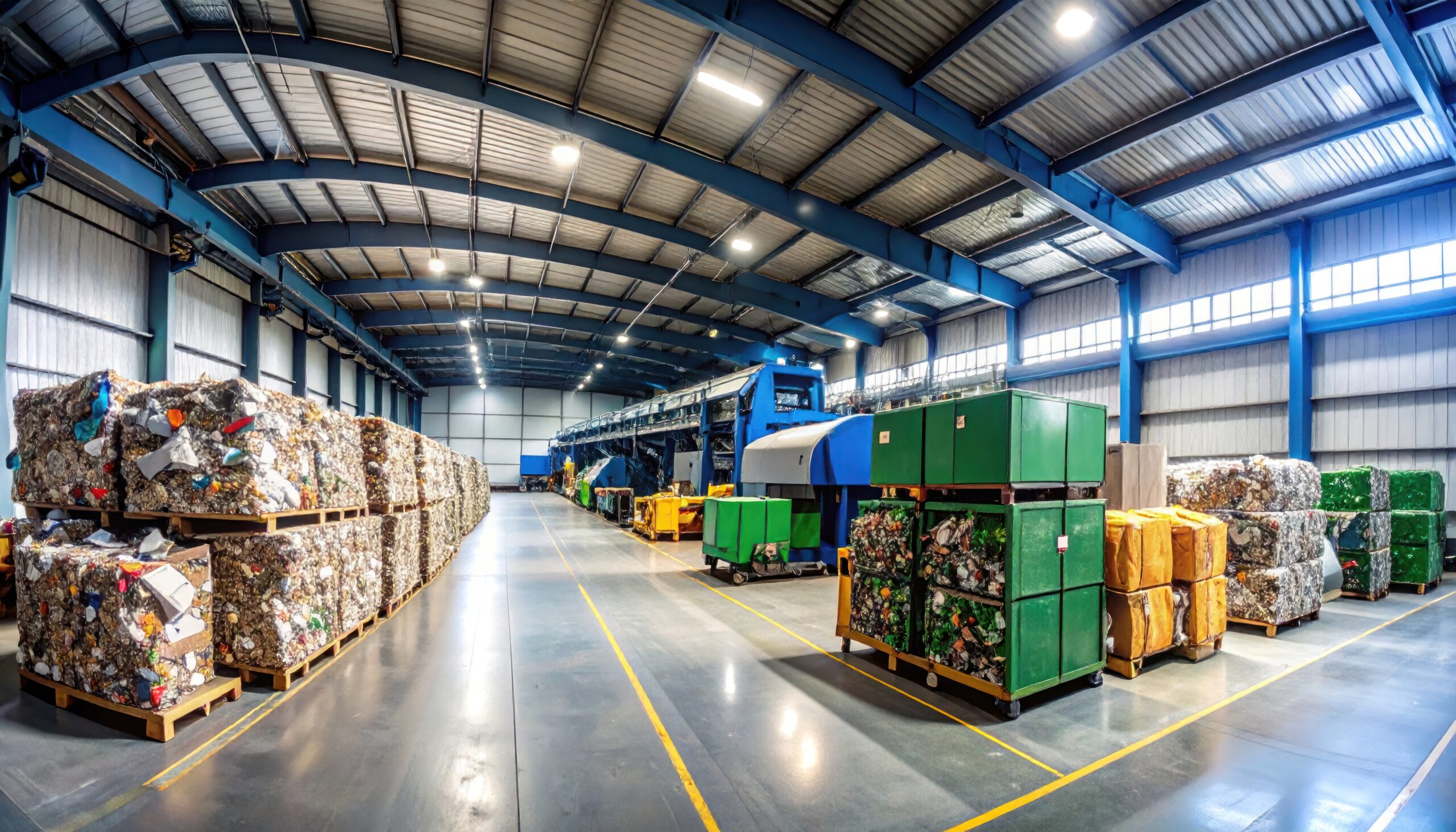
Living and working in the Caribbean, I had a front-row seat to some of the region’s most pressing environmental challenges. One issue that always stands out is waste management. For many small island developing states, or SIDS, managing waste is complicated. Limited space, growing populations, and increasing tourism all put pressure on local waste management systems. But over the past few years, I’ve noticed a new force making a difference: technology. From smart tracking systems to innovative recycling solutions, technology is helping Caribbean communities rethink how they handle waste.
Data Tracking is Making a Big Difference
One of the most exciting changes I’ve seen is the rise of data-driven waste management. For years, waste collection in many islands relied on schedules and guesswork. Trucks would go out at set times, and routes were often based on experience rather than actual need. Now, sensors and GPS tracking are transforming the process. Smart bins can alert local authorities when they are full, and trucks can adjust routes in real time based on collection needs.
I recently visited a small island project where they had implemented a pilot program using these smart bins. The results were impressive. Collection efficiency improved by nearly 30 percent, fuel costs for waste trucks dropped, and neighborhoods stayed cleaner. The data collected also allowed planners to analyze patterns and identify areas with recurring problems. This kind of insight simply wasn’t possible before, and it’s a game-changer for small islands with limited budgets.
Recycling Gets Smarter
Recycling has always been a challenge in the Caribbean. Many islands struggle with limited facilities and the cost of shipping materials abroad. Technology is starting to change that. I’ve seen systems that use automated sorting machines to separate plastics, metals, and paper more efficiently than humans ever could. Some islands are also exploring local recycling innovations, like turning plastic waste into construction materials or using organic waste to produce compost and biogas.
These solutions do more than reduce waste. They create jobs, build local expertise, and encourage residents to participate. I have observed how communities become more engaged when they see waste being transformed into something useful. People begin to understand that trash doesn’t just disappear; it can become a resource if we manage it properly.
Community Engagement Through Apps
Another technology trend I find fascinating is the use of mobile apps to engage citizens. In several Caribbean islands, apps now let residents report overflowing bins, illegal dumping, or even hazardous waste. These platforms allow local authorities to respond quickly, which keeps neighborhoods cleaner and safer.
Apps also gamify recycling and waste reduction. Some islands have programs that reward residents with points for recycling properly or reducing their waste footprint. I’ve seen schools and businesses compete in friendly challenges, and it’s amazing how quickly people adopt these habits when there is a sense of fun and community. Technology, in this sense, is not just about efficiency; it’s about behavior change and creating a culture of responsibility.
Solar-Powered Solutions and Electric Vehicles
Energy is another area where technology intersects with waste management. Many Caribbean islands are exploring solar-powered compactors that reduce the frequency of collections while lowering emissions. Waste collection fleets are also beginning to adopt electric trucks. For small islands that are often reliant on imported fuel, this is both an environmental and economic win.
During a recent site visit, I saw a fleet of electric waste trucks operating quietly and efficiently. They required less maintenance than traditional vehicles, had very minimal emissions, and allowed drivers to focus on collection rather than mechanical issues. In a region where climate change impacts are already severe, these low-carbon solutions are not just innovative—they are essential.
Integrating Waste with Smart City Planning
Technology is also enabling a bigger-picture approach. Instead of treating waste management as a standalone problem, some Caribbean cities are integrating it into broader smart city initiatives. Sensors, data analytics, and cloud-based platforms help municipalities monitor traffic, energy use, and waste in real time. This kind of integration allows for more coordinated and efficient urban planning.
For example, one project I consulted on used data to predict high-tourist seasons and adjust waste collection schedules accordingly. By aligning waste management with other city services, communities can minimize costs and improve quality of life. It’s exciting to see small islands leapfrog traditional challenges and adopt solutions that are often only seen in large cities.
Challenges and the Road Ahead
Of course, technology is not a magic wand. Implementing these solutions requires investment, training, and maintenance. Some islands face challenges with infrastructure, connectivity, and local expertise. But what I see consistently is that even small-scale innovations make a meaningful impact. Pilot projects, community partnerships, and government support are helping to overcome these barriers.
Technology in waste management is not about replacing people; it is about empowering them to work smarter. It is about giving communities the tools to take control of their environment, reduce pollution, and build sustainable systems that last for generations.
The Caribbean is already showing that innovation can thrive in small, resource-constrained settings. I am excited to continue working alongside local leaders, entrepreneurs, and residents to expand these efforts. Every sensor installed, every app launched, and every solar-powered compactor deployed brings us closer to cleaner, healthier, and smarter islands. Technology is not just changing waste management in the Caribbean—it is changing the way we think about what is possible.